Guma
Discover the Guma: A Fulani-inspired layered haircut for textured hair, offering movement and cultural elegance.
About Guma
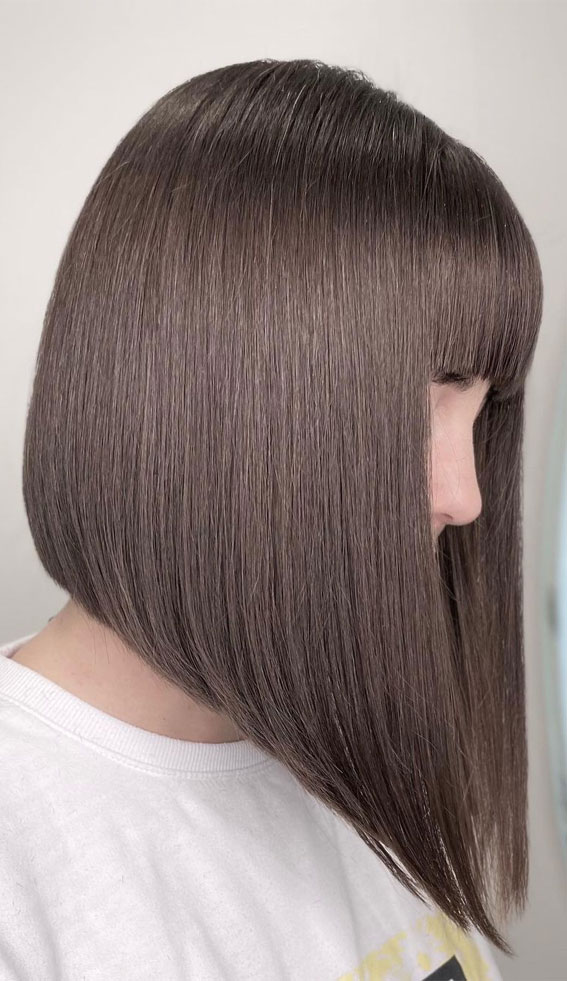
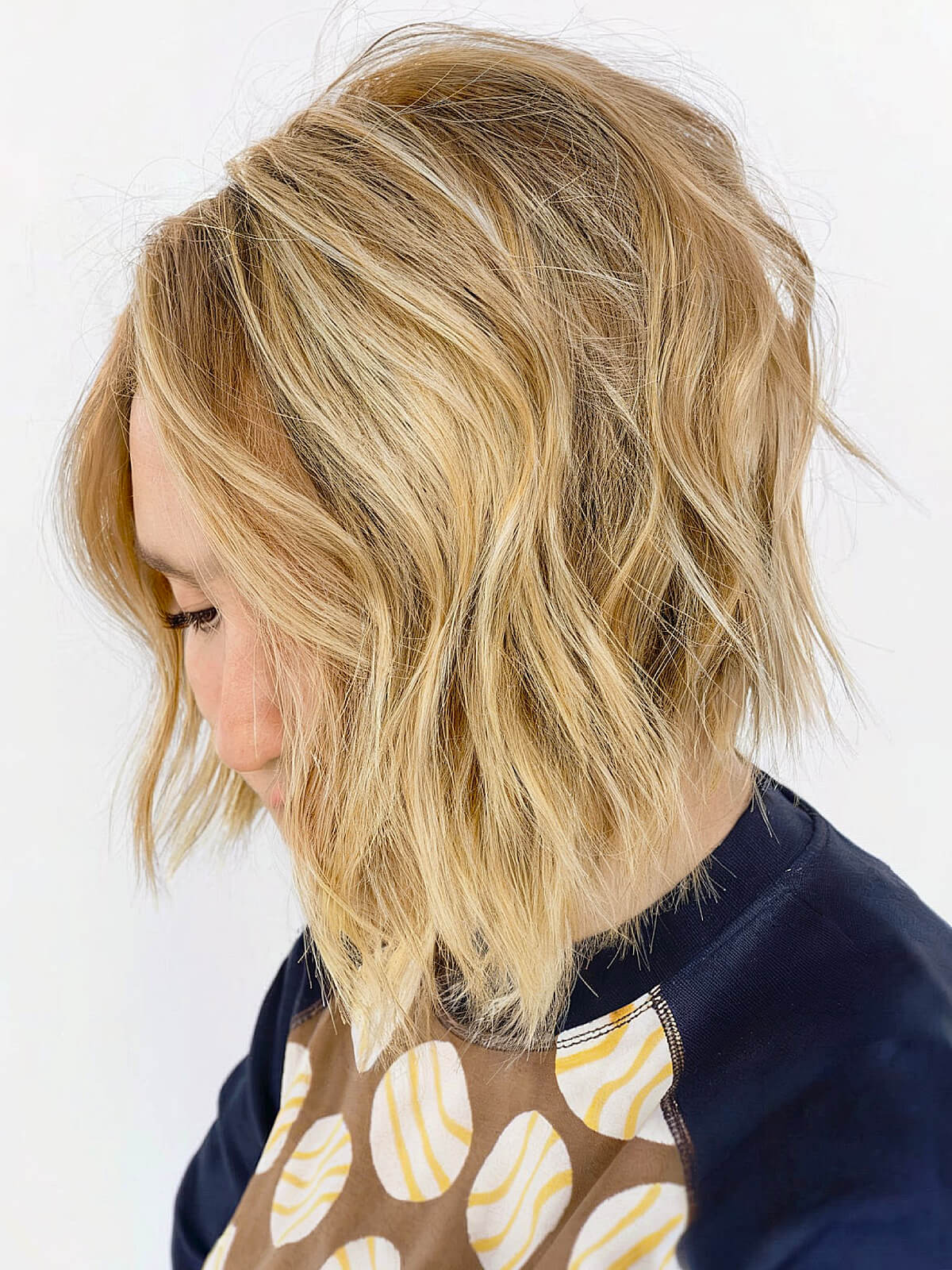
The Guma is a distinctive layered haircut with deep roots in Fulani culture, characterized by its shaggy, textured layers and face-framing elements that enhance movement and shape. This style typically features cascading layers that add volume and dimension, particularly suited for coily, curly, or wavy hair textures. It is often chosen by women seeking a dynamic, culturally resonant look that combines traditional aesthetics with modern versatility. In Birmingham, clients may seek the Guma for its unique blend of cultural heritage and stylish appeal, offering a refreshing alternative to mainstream cuts. Niyo Hair and Beauty provides expert execution of this haircut, ensuring precision and care, while jorra.ai assists in finding the perfect style match. The Guma is ideal for those wanting to celebrate West African beauty traditions with a contemporary twist.



Care Instructions
- ✦Wash with moisturizing shampoo
- ✦Condition regularly to maintain texture
- ✦Use leave-in conditioner for hydration
- ✦Avoid excessive heat styling
Maintenance Tips
- ✦Trim every 6-8 weeks to preserve layers
- ✦Use light oils to enhance natural texture
- ✦Protect hair at night with a silk scarf
Book your Guma haircut at Niyo Hair and Beauty for a personalized, culturally rich style experience.
Frequently Asked Questions
How long does a Guma haircut take?+
Approximately 1-2 hours depending on hair length and density.
Is the Guma suitable for fine hair?+
Yes, it can add volume, but best for medium to thick textures.
Can I style the Guma at home?+
Yes, with minimal products for natural texture enhancement.